Pastoralists in Uganda constitute approximately 51 percent of the population and own about 90 percent of the country’s cattle, contributing 85 percent of the nation’s milk and roughly 84 percent of total national meat consumption. Supported by the Silicon Valley Community Foundation (SVCF) under the GREPS Uganda project, initiatives are underway to address the severe restrictions on traditional grazing spaces caused by climate variability and competing land-use pressures. Because relying solely on livestock grazing is no longer sufficient to guarantee household resilience, introducing diversified, climate-smart, and non-land-intensive alternative livelihoods directly inside deep rural villages has become an urgent necessity.

Bridging the Gap through Apiary To address these vulnerabilities, a traditional apiary training was successfully conducted across deep villages in Moroto and Kotido districts. Out of the various livestock enterprises, the beekeeping enterprise offers one of the best options for rural communities and commercial farmers because of its minimal requirements for land, machinery and equipment, labor, and capital investment. In Kotido and Moroto, honey production potential is enormous and not yet fully exploited, making this training essential for providing the basic knowledge and skills needed through the use of locally available materials.
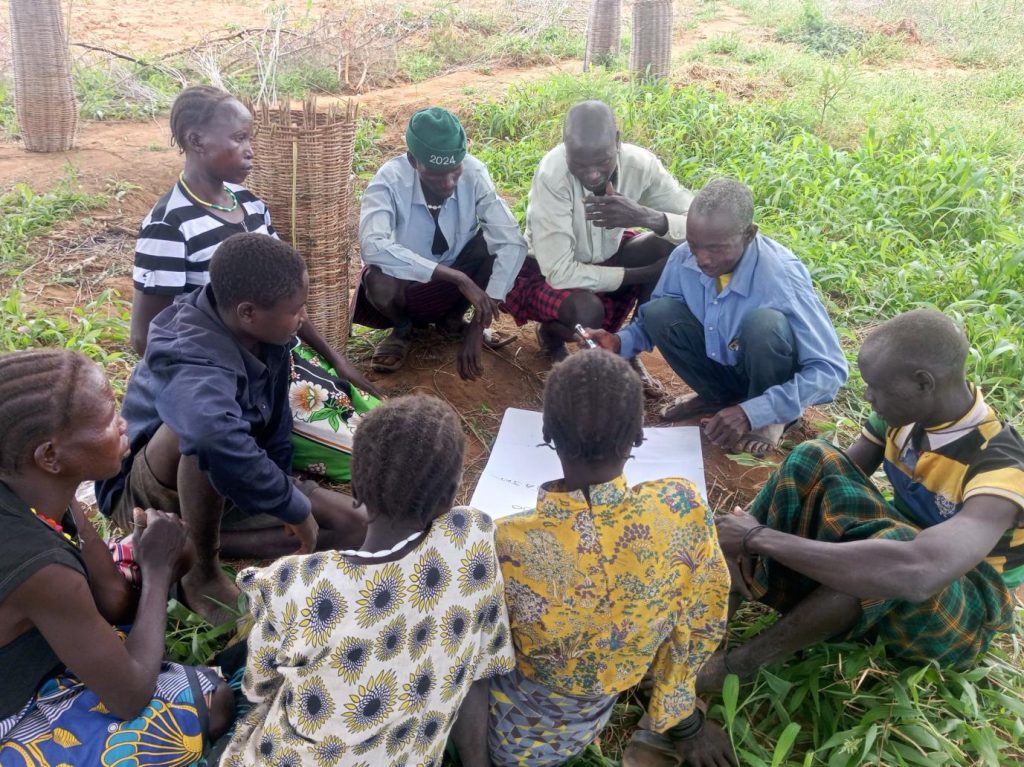
Hands-On Skills and Practical Learning The training reached a total of 40 participants (18 men and 22 women) in Kotido and Moroto. During the sessions, farmers were guided through comprehensive practical areas:
- Introduction to Beekeeping and Apiary: Beekeeping was defined as the practice of managing honey bee colonies to produce honey, beeswax, propolis, pollen, royal jelly, and other valuable hive products within an apiary. It is low-cost, environmentally friendly, requires relatively little space or land, and encourages the conservation of trees and natural vegetation.
- Floral Calendars and Colony Management: Participants learned to map local plant flowering seasons, align hive management with nectar flows and dearth periods, and handle colonies safely to maximize honey yields and crop pollination. Effective colony management keeps bee colonies healthy and productive.
- Record Keeping: Training beekeepers on record keeping involved tracking hive identification, inspection dates, and colony health observations to replace guesswork with data in order to improve honey yields and manage pests.
- Apiary Safety: Essential safety practices were emphasized to reduce the risk of bee stings, accidents, and damage to colonies. Key measures included wearing protective clothing, correct use of a smoker, avoiding inspections during rain, strong winds, or cold weather, moving calmly and quietly, avoiding strong smells, keeping the apiary clean by removing weeds, and positioning hives safely away from schools, homes, roads, and livestock.
- Biology, Inspection, and Nutrition: Participants explored the three castes of a honey bee colony (queen, workers, and drones), learned proper inspection techniques during warm and dry weather, understood supplemental feeding during stress periods, and recognized the importance of supporting healthy environments by protecting forests, planting flowering trees, and conserving water.
- Honey Harvesting and Processing: Practical sessions covered proper harvesting methods, clean processing, proper filtering, hygienic handling, and correct storage to produce safe, high-quality honey that attracts better prices and satisfies consumers.

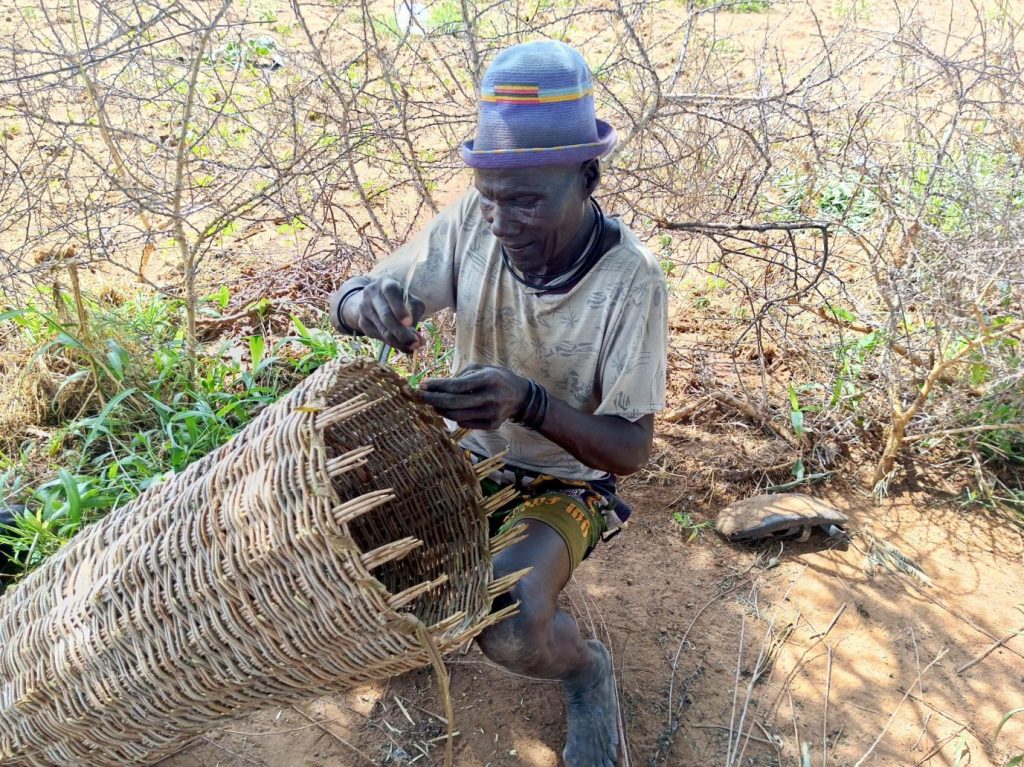
From Learning to Action Practically, the participants engaged in the making and installation of over 44 low-cost beehives from local materials. This initiative directly increased agricultural knowledge, enhanced safety compliance, and drove immediate skill adoption for better honey production.
Conclusively, training farmers on proper apiary management and the honey value chain is vital for increasing honey yield, improving product quality, and boosting rural incomes. As these communities step forward with renewed skills, localized traditional apiculture proves to be a powerful catalyst for sustainable development and household resilience.