
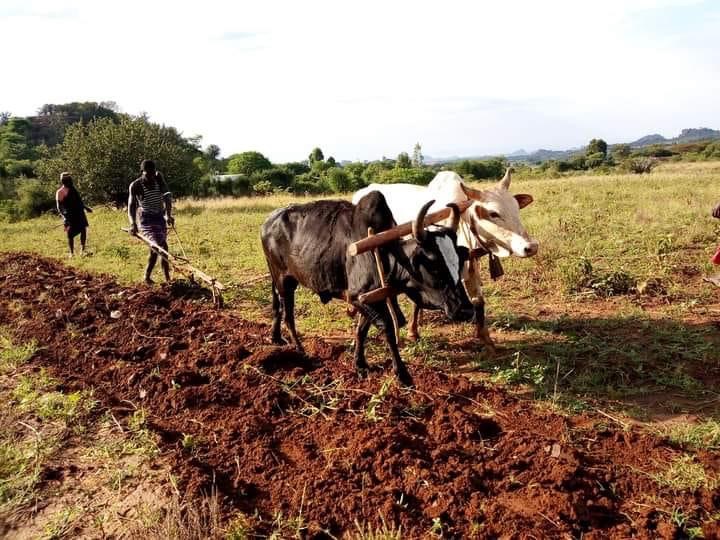
Editor’s Note: As COPACSO, our recent engagements highlight a vital truth: pastoralists are frontline ecosystem stewards, not drivers of degradation. Below, we reflect on insights from our coordinator, Mr. Brian Agaba, featured in the Saturday Monitor (Dec 13, 2025).
The Economic Value of Pastoralism
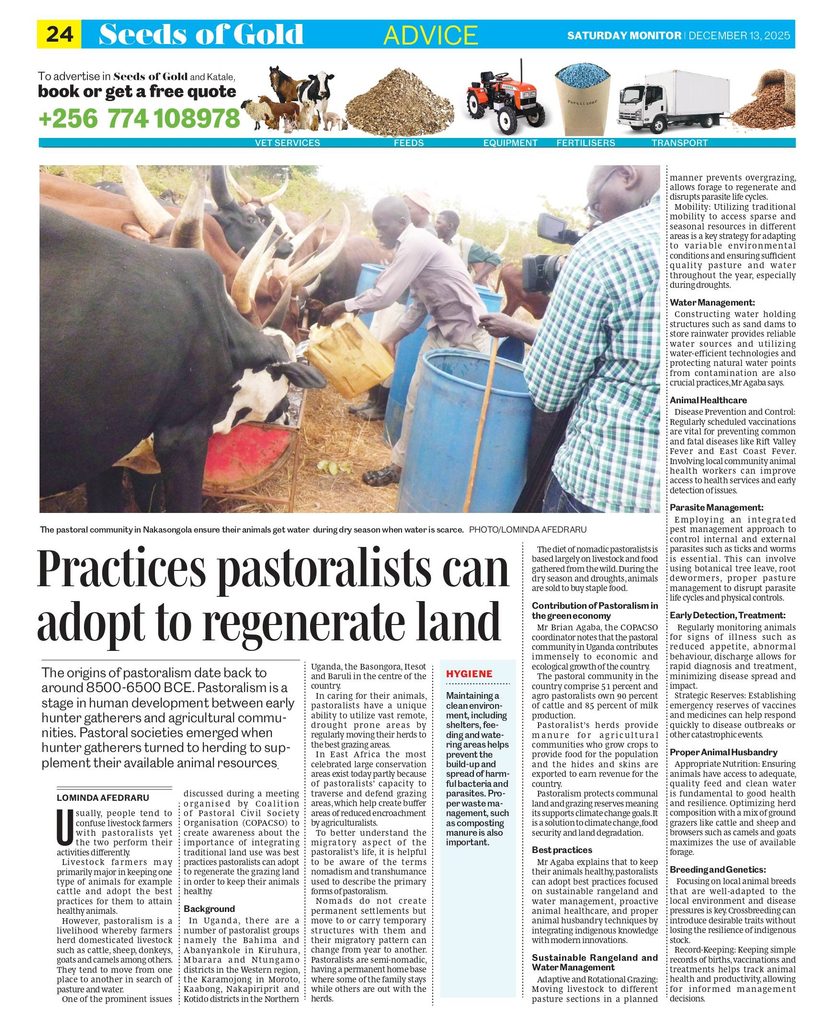
Uganda’s pastoral community comprises 51 percent of the population, with agro-pastoralists owning 90 percent of cattle and producing 85 percent of the nation’s milk. Beyond food security and revenue from hides and skins, pastoralism protects communal land, drives ecological growth, and supports climate action.
Best Practices for Rangeland and Animal Health
To keep animals healthy and regenerate land, Mr. Agaba emphasizes integrating indigenous knowledge with modern approaches:
- Rangeland & Water: Use adaptive rotational grazing, traditional mobility to navigate droughts, and construct sand dams for water storage.
- Animal Healthcare: Prioritize regular vaccinations (such as for East Coast Fever and Rift Valley Fever), integrated parasite management, and early disease detection.
- Husbandry: Optimize herd composition by mixing grazers (cattle, sheep) and browsers (goats, camels), focus on resilient local breeds, and maintain basic record-keeping.
COPACSO Call to Action
To unlock pastoralism’s full potential, COPACSO urges policymakers to:
- Secure Communal Land Rights and protect traditional migratory routes from illegal encroachment.
- Invest in Climate-Resilient Water Infrastructure like valley tanks and boreholes in drought-prone corridors.
- Strengthen Community Animal Health Systems by backing local health workers and vaccine access

